
Interview with Jonathan Varjabedian


You can find Jonathan on his Instagram: @framethestreetsdotcom
And on his website: https://www.framethestreets.com
Can you tell us a bit about yourself?
I’m a physician currently living in Orlando, Florida, and I’ve been a photographer since my teens.
How did you first get into photography?
My father really appreciated photography, and I remember him giving me my first point-and-shoot when I was about 15. A few years later, he gave me his old TLR (twin lens reflex) camera, and that really set me on my path.
Photography pretty quickly took over. My first real project was documenting blues and jazz musicians in the Detroit area, where I grew up. From the late 1980s through the mid-1990s, I took thousands of photographs on black-and-white 35mm film. I also did a number of interviews with those same musicians, which ended up becoming a body of work I’m still very proud of.
Over time I shifted toward travel photography, and in recent years I’ve focused mostly on street photography

What are your favourite shooting conditions?
I don't really have a favorite. I'm not particularly fond of harsh mid-day light, but even that can work to your advantage. I do enjoy shooting in the rain. But I think that the most important thing is that I try to shoot every day. The weather isn't a deciding factor for me.
You've travelled a lot-what are your favorite locations for street photography?
I'm drawn to urban environments. Big cities are ideal for me. New York, London, Tokyo. The big cities have a certain “grit” that I love. But I also love places that are a bit less obvious.
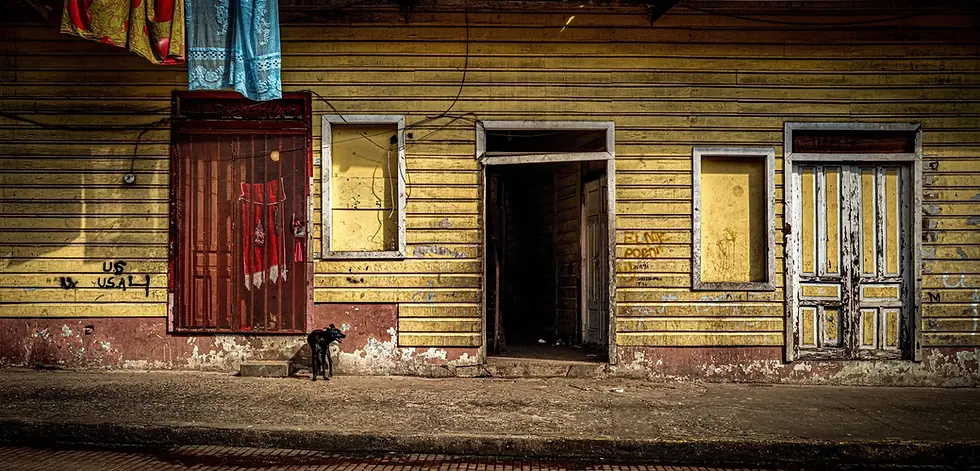
Buenos Aires, for example, is phenomenal. The architecture is beautiful, the people are welcoming, and each neighborhood has its own character.
Panama City is another favorite.
But I try to mix it up. Sometimes, I will go to small towns and try my hand there. It’s a completely different experience and, for me, it is a lot more challenging. But the results can really be rewarding. You don’t have to live in or near a large city to be a street photographer.
What does photography mean to you?
This is a difficult question for me to answer. I am passionate about it. Photography, for me, is a way of seeing the world. More importantly, it has changed the way that I see the world.
What gear do you use?
I shoot almost exclusively with a Leica Q3.
I've largely moved away from film. I still love film, but I actually prefer the look of digital. That’s not something that most people admit to but, for me, it is the truth. Perhaps because I have already done a lot of film photography, so the lure to return to it just is not there for me.
The Q3 has a fixed 28mm lens, which suits the way I see. Using the same camera every day simplifies things. Over time, the camera becomes second nature. It feels like an extension of me. I know what it can do, and I know what I can get out of it.

Do you prefer chaos or quieter spaces?
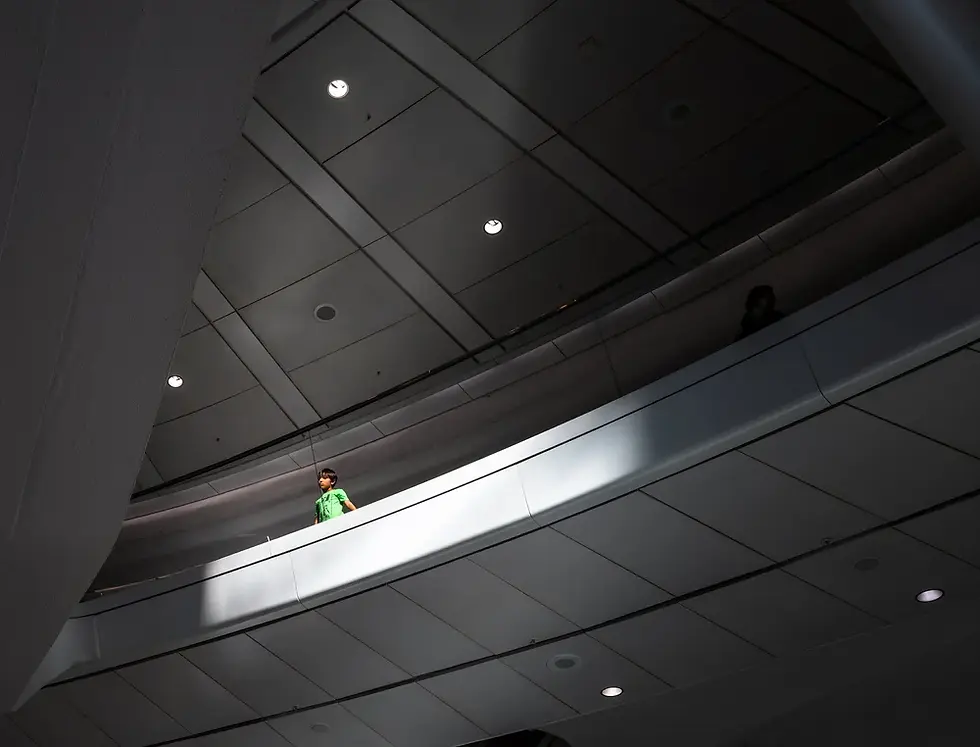
For years, I preferred chaos. But over time, I've found myself drawn more to quieter, more intimate moments.
Can you walk us through your editing process?
I keep it simple. I use Lightroom, usually on my iPad. If an image takes me more than 5 minutes to edit, I usually move on. I am not trying to make something out of nothing.
How do you decide what moments to capture?
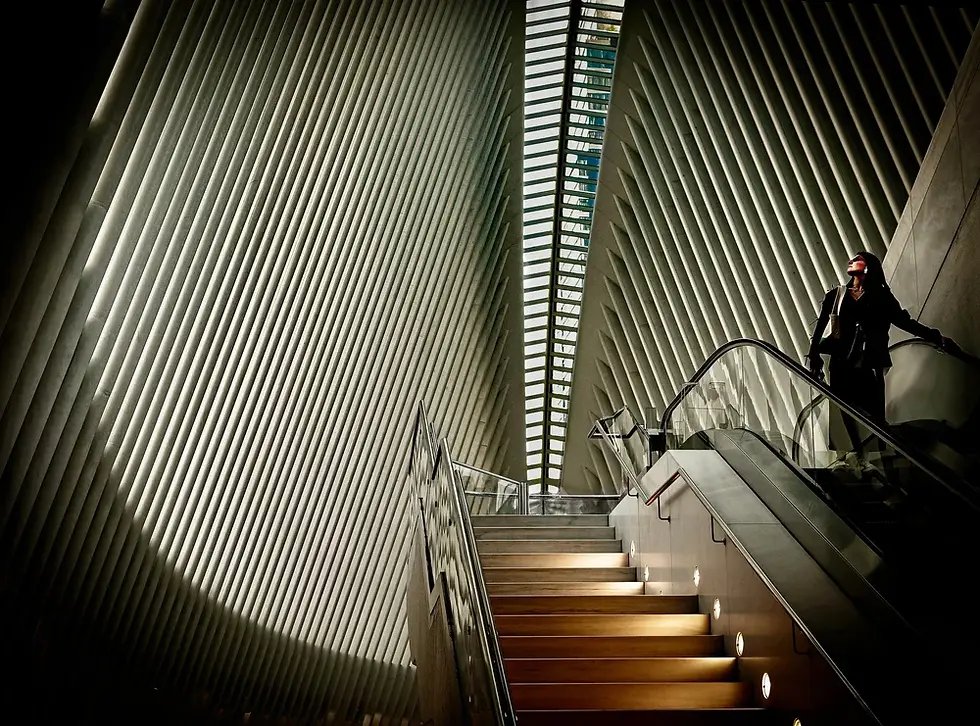
It's not really a decision. It’s more of a response. Something catches my attention, and I react. It could be light, an expression, color, tension, or stillness.
There's simply something about the scene that draws me in.
What are some of your favourite techniques?
I don't really think in terms of techniques. I try to keep things simple and rely on observation.

How did you find your style?
It evolved naturally. It's not something I consciously constructed. If you photograph consistently, your voice eventually reveals itself.
How do you define your photography?
For years, I thought of myself as a street photographer, but while I am still a street photographer, I've become less attached to that label. My work is rooted in street photography, but at times it leans toward observational documentary. I prefer not to define it too rigidly. But street photography is my passion. I am proud to be a street photographer.

How do you decide between color and black and white?
I decide based on what's carrying the image. If it's driven by light, shadow, and structure, I'll go with black and white. If color adds meaning, I will keep it.
What's the most challenging thing about photography for you?
That's a tough one. I don't really think of photography as a challenge. It's more like a treasure hunt. I love it.
Can you walk us through a typical shooting day?
I try to shoot every day. The camera is almost always with me, even if I am going to the store to buy groceries. And if I don't leave the house, I'll still photograph something. It’s a daily practice.
When I'm in a city and can dedicate the day to photography, I usually start early, shoot until early afternoon, take a break, then head out again. Early in the day, I tend to "hunt"-actively searching for scenes. Later, I shift into more of a "fishing" approach-finding a spot and waiting. Part of the reason for the change is because I think it refreshes me mentally, and the other part is usually to give my feet a break! Also, I think the late in the day shots favor a fishing approach. The light and shadows can get so beautiful, so I usually find a spot with good light, and wait for something to enter the scene.
What is your favorite subject?
People. Always people. I look for emotion. I want the viewer to feel something. But over time, l've also become interested in scenes where people aren't present, but their presence is implied. But without a doubt, people are my favorite subject.

Do you listen to music while shooting?
I love music, but I don't listen to it while I'm shooting. I try to stay fully present.
Who inspires you?
There are so many—Saul Leiter, Fred Herzog, and Ernst Haas all come to mind, especially for their use of color and their ability to elevate everyday moments. Fan Ho is also a major inspiration. The way he captures light and shadow is just achingly beautiful. I think that sensitivity to light is something that has stayed with me and continues to influence how I see and photograph

How do you know when you've nailed a shot?
I usually don't know right away. I tend to go over my images at the end of the day. Sometimes an image stands out immediately, but other times, it lingers on the mind. I love the photos that have that immediate impact, but I strive for the ones that give you a long burn—you keep thinking about them well after you stopped looking at them. That’s every photographer’s dream, isn’t it?
How important is composition?
Composition is crucial. If a photograph is going to be readable, it needs structure. But good composition doesn't always draw attention to itself. It supports the image. Think of it like the foundation of a home. Even if you can’t see the foundation, without it, the home falls apart.

Advice for beginners?
Shoot every day. As often as you can. Don't worry about settings-use program mode if needed. Just shoot. And once you feel limited by the program mode, start to really put the exposure triangle to use and begin to use manual settings. No camera? Use your phone. Just shoot!
How important is lighting?
Light is everything. It shapes the scene, creates the mood, and often determines whether an image works. I'm usually drawn to light first, and then I wait for something to happen within it.

Any genres you'd like to explore?
I'm less interested in changing genres and more interested in going deeper. That said, I'm curious about exploring longer shutter speeds. Some of those photographic heroes that I mentioned earlier used really long shutter speeds. They had to, of course, because the Kodachrome they were using had such low ISOs. And I love the results. So, lower ISOs and longer shutter speeds are probably in my future.
But, more than anything, I am just trying to get better as a photographer. I want to see better, and not miss what is in front of me.


Great photos! Loved the interview.
👍