
Color Theory for Photographers


Color Theory for Photographers: Unlock the Power of Color in Your Photos
Hey there, photography lovers! Ever notice how some photos just grab you by the eyeballs while others feel… well, a little blah? Here’s the secret sauce: it’s all about color! Color theory isn’t just for painters or fancy designers—it’s a total game-changer for photographers too. Whether you’re snapping portraits, chasing epic landscapes, or capturing gritty street vibes, mastering color can take your shots from “pretty cool” to “whoa, that’s stunning!”
In this guide, I’m breaking down color theory for photographers in a way that’s easy to grasp—no art degree required. We’ll explore the color wheel, dive into awesome color schemes, unpack the emotions behind colors, and share practical tips to use all this in your photography. Ready to make your images pop with purpose? Let’s get started!
What Is Color Theory (and Why Should You Care)?
At its core, color theory is the art and science of using colors in ways that look good and hit the right feels. It’s built around the color wheel—a simple tool that maps out how colors play together. Think of it as your photography sidekick for creating harmony or shaking things up on purpose.
So, why does this matter for photographers?
Set the Mood: Colors can make your photo feel peaceful, bold, or even a little mysterious.
Direct Attention: Use color to spotlight your subject or guide the viewer’s eye through the frame.
Add Wow Factor: A smart color combo can make your shot unforgettable and Instagram-worthy.
Tell a Story: Colors carry emotions—tap into that to say more with less.
In short, color theory gives you the power to shoot with intention. Let’s dig into the basics.
The Color Wheel: Your Photography Cheat Sheet
The color wheel is where it all begins. Here’s the rundown:
Primary Colors: Red, blue, yellow. The OGs you can’t mix to create.
Secondary Colors: Green, orange, purple. Mix two primaries, and you’ve got these beauties.
Tertiary Colors: Think red-orange or blue-green. These come from blending a primary with a secondary.
The wheel shows you how colors connect. Colors across from each other are complementary (hello, high contrast!), while neighbors are analogous (smooth and chill). Knowing these relationships is your ticket to killer compositions.
Quick Tip: No need to memorize it—snap a pic of a color wheel on your phone for on-the-go inspiration.
Color Schemes: Your Go-To Combos for Epic Shots
Now, let’s talk color schemes—proven combos that make your photos sing. Here are the heavy hitters every photographer should know:
1. Complementary Colors – Bold and Punchy
What’s Up: Colors opposite on the wheel, like blue and orange or red and green.
Why It Rocks: Big contrast that screams “look at me!”—perfect for making subjects pop.
Try It In: Portraits (blue backdrop, warm skin tones), or vibrant action shots.
Real-Life Example: A red barn against a green field? Instant wow.
2. Analogous Colors – Calm and Cozy
What’s Up: Colors side-by-side, like blue, blue-green, and green.
Why It Rocks: Soft, natural harmony that feels easy on the eyes.
Try It In: Landscapes or nature shots where peace is the goal.
Real-Life Example: A sunset with oranges, reds, and pinks blending together.
3. Monochromatic Colors – Sleek and Simple
What’s Up: Variations of one color, like light blue to deep navy.
Why It Rocks: Clean and focused—great for texture and mood.
Try It In: Minimalist shots or moody black-and-white vibes with a twist.
Real-Life Example: A foggy pier in shades of gray-blue.
4. Triadic Colors – Fun and Balanced
What’s Up: Three evenly spaced colors, like red, yellow, and blue.
Why It Rocks: Lively yet harmonious—perfect for colorful chaos that still works.
Try It In: Street photography or festive scenes.
Real-Life Example: A carnival with bright balloons in primary hues.
Starter Tip: Begin with complementary or analogous—they’re the easiest to spot in the wild.
Color Psychology: Make Your Photos Hit the Feels
Colors aren’t just eye candy—they carry emotions. Here’s a crash course in color psychology to supercharge your storytelling:
Red: Energy, passion, intensity. Perfect for dramatic or urgent shots.
Blue: Calm, cool, trustworthy. A go-to for chill landscapes or portraits.
Yellow: Joy, warmth, optimism. Brightens up any scene.
Green: Freshness, nature, balance. Ideal for outdoor adventures.
Orange: Creativity, warmth, fun. Think cozy golden-hour glow.
Purple: Mystery, luxury, imagination. Adds a regal or dreamy touch.
Black & White: Classic, emotional, raw. Cuts through the noise to focus on form.
Want a serene vibe? Lean into blues and greens. Craving excitement? Reds and yellows have your back. Match the mood to your message.
Color Theory in Action: Tips for Every Genre
Here’s how to wield color theory across different photography styles:
Portraits
Hack: Pair complementary colors—like a green shirt against a reddish wall—for instant pop.
Mood Magic: Warm tones for cozy intimacy; cool tones for a detached feel.
Landscapes
Hack: Seek analogous colors in nature—think golden fields fading into green hills.
Golden Hour FTW: That warm light boosts everything naturally.
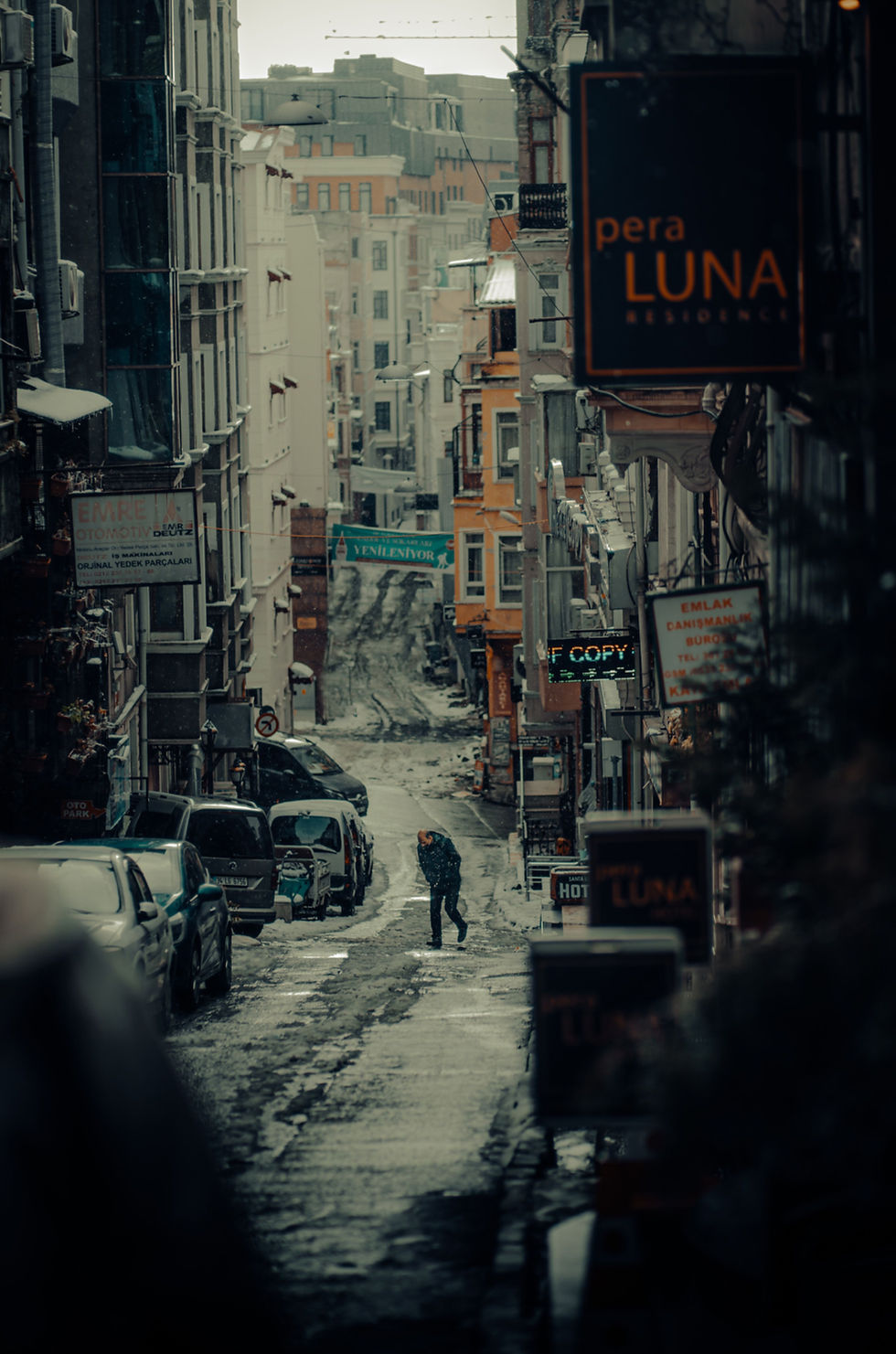
Street Photography
Hack: Chase bold contrasts—like a yellow taxi against a blue wall.
Story Boost: Use color to spotlight characters or weave a narrative.
Product Photography
Hack: Stick to monochromatic or analogous for a sleek, pro look.
Brand Match: Align colors with the product’s vibe or identity.
Easy Win: Can’t go wrong with one strong color against a neutral backdrop.
Practical Tips to Master Color in Your Photography
Ready to roll? Here’s how to bring color theory into your workflow:
Plan Ahead: Pick a color scheme before you shoot. Scout locations or props that fit.
Spot the Magic: Look for natural color combos—like a sunset or a colorful market.
Lead the Eye: Use a standout color for your subject against a contrasting background.
Tweak in Camera: Play with white balance to shift tones. RAW files give you editing wiggle room.
Edit Smart: Boost saturation or adjust hues in post to nail your vision.
Try This: Shoot a mini-series with one color scheme. It’ll train your eye fast.
Watch Out: Common Color Theory Slip-Ups
Even the pros trip sometimes. Avoid these:
Color Overload: Too many hues can clash. Stick to 2-3 key players.
Background Noise: A messy backdrop can steal focus. Keep it simple.
Lighting Blindspot: Colors shift with light—plan for golden hour or overcast vibes.
Edit Overkill: Cranking saturation too high looks fake. Subtlety wins.
Quick Fix: If a shot feels off, test it in black and white. Good bones? Just tweak the colors.
Go Play with Color—You’ve Got This!
Color theory might sound intimidating, but it’s really just a fun tool to make your photography shine. Start small—pick a scheme, hit the streets, and see what clicks. Play with how colors vibe and watch your images come alive. Practice makes it second nature.
So, grab your camera, hunt down some hues, and let your creativity loose. Snapped something epic? Share it below—I’d love to see your colorful masterpieces!


Comments